
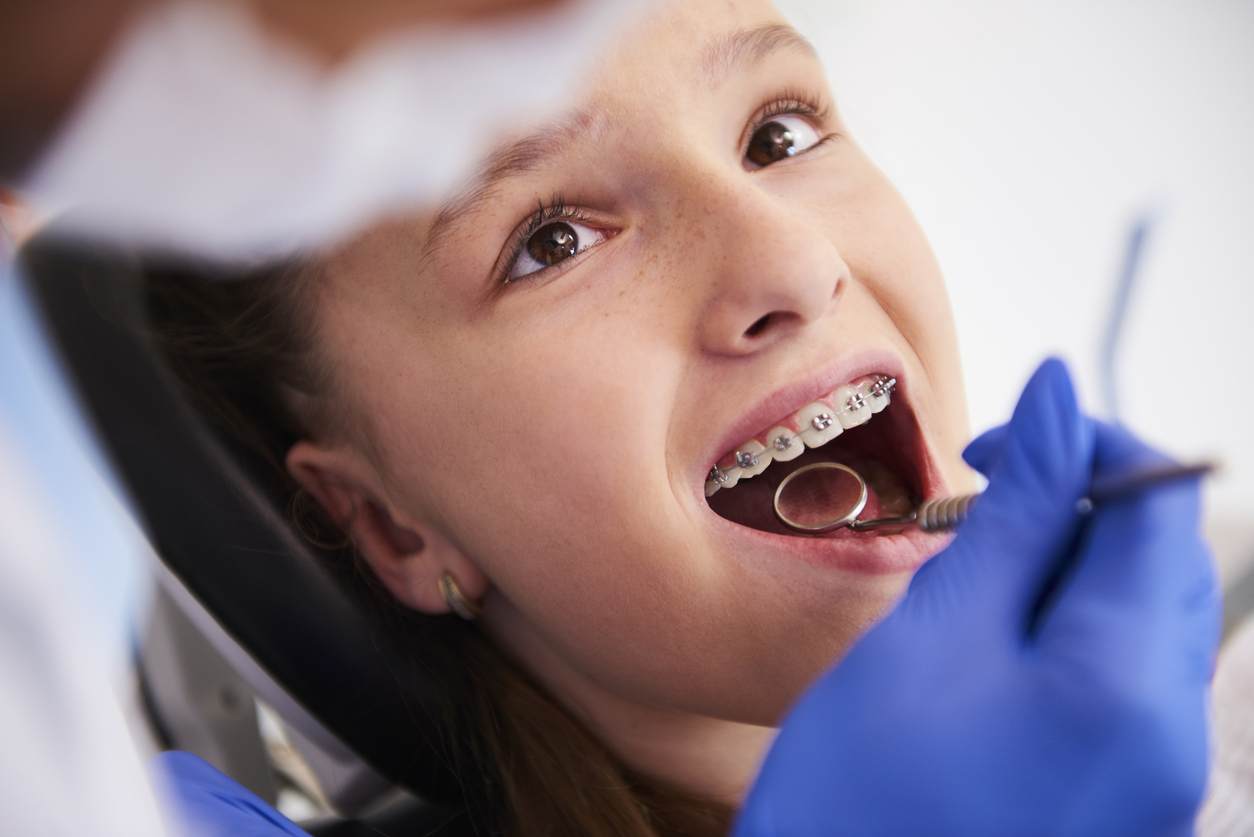
| Quick Answer: AHCCCS (Arizona Medicaid) covers orthodontic treatment for eligible children when it’s medically necessary — meaning severe enough to affect function. Qualifying conditions include cleft palate, severe handicapping malocclusion, and other congenital conditions. AHCCCS uses the HLD index to score cases. Cosmetic-only orthodontics is not covered. If denied, appeals are possible with additional documentation. |
If your child needs braces and your family is on AHCCCS (Arizona’s Medicaid program), the question of whether coverage applies is a real and consequential one. The honest answer: occasionally yes, more often no — it depends entirely on whether the case is considered medically necessary.
At Williams Orthodontics, we work with AHCCCS-eligible families regularly. Here’s the practical guide to what’s covered, how to qualify, and what to do if coverage is denied.
Does AHCCCS Cover Orthodontic Treatment?
Yes — but with several restrictions. AHCCCS covers orthodontic treatment for children when it’s deemed medically necessary, not when it’s primarily cosmetic. The same is true for most state Medicaid programs nationwide.
“Medically necessary” specifically means the orthodontic problem is severe enough to affect function — chewing, speech, breathing, or jaw development — not just appearance. Mild crowding or moderate alignment issues, even if visible, typically don’t qualify.
What Qualifies as Medically Necessary?
Common qualifying conditions include:
- Cleft lip and/or palate
- Severe overbite, underbite, or crossbite (handicapping malocclusion)
- Impacted teeth blocking normal eruption
- Post-traumatic dental injuries requiring orthodontic correction
- Congenital conditions affecting jaw or tooth development
- Functional issues that affect chewing or speech
AHCCCS uses the Handicapping Labio-Lingual Deviation (HLD) index — a standardized scoring system — to determine whether a case meets the medical necessity threshold. Your orthodontist will score the case and submit documentation.
How to Get AHCCCS Orthodontic Coverage
Step 1: Confirm AHCCCS enrollment. Ensure your child is currently enrolled and benefits are active.
Step 2: Initial orthodontic consultation. The orthodontist evaluates the case, takes records (photos, X-rays, models), and scores using the HLD index.
Step 3: Prior authorization submission. The orthodontist’s office submits the records and HLD scoring to AHCCCS for prior authorization.
Step 4: AHCCCS review. The case is reviewed by AHCCCS dental consultants. Approval typically takes 2–4 weeks.
Step 5: If approved, treatment proceeds with AHCCCS as the payer. If denied, appeal options are available.
If Your Claim Is Denied
Denials happen — sometimes because the case genuinely doesn’t meet the threshold, sometimes because documentation was incomplete. Options include:
- Request the specific reason for denial in writing
- Appeal with additional clinical documentation
- Get a second opinion from another orthodontist
- Resubmit with updated HLD scoring if the case is borderline
Many borderline denials are overturned with proper documentation. Our office handles AHCCCS appeals routinely and can guide you through the process.
Alternatives If AHCCCS Won’t Cover Treatment
If your child’s case doesn’t qualify but you still want orthodontic treatment, options include:
- $99 down with monthly payments as low as $119
- HFD financing with virtually 100% approval
- CareCredit and Sunbit as additional financing options
- FSA/HSA funds if applicable
- Discounts for paying in full upfront (varies by office)
Visit Williams Orthodontics in Queen Creek or Gilbert
We work with AHCCCS-eligible families regularly and can verify coverage before treatment. Find a location near you and book a complimentary consultation. We’ll evaluate your child’s case, score using the HLD index, and discuss whether AHCCCS coverage is likely.
Frequently Asked Questions
Does AHCCCS cover braces for kids in Arizona?
AHCCCS may cover medically necessary orthodontic treatment for eligible children only — typically cases involving severe handicapping malocclusion, cleft palate, or other qualifying conditions. Coverage isn’t universal, and your orthodontist must document medical necessity. Cosmetic-only orthodontics is not covered.
What qualifies as medically necessary orthodontics?
Generally: cleft lip/palate, severe handicapping malocclusion (per the HLD index scoring), congenital conditions affecting tooth/jaw development, and post-trauma reconstruction. Standard cosmetic alignment doesn’t qualify.
How do I apply for AHCCCS orthodontic coverage?
First, ensure your child is enrolled in AHCCCS. Then your orthodontist conducts an evaluation and submits documentation showing medical necessity (using the HLD index or similar standardized scoring). AHCCCS reviews and either approves or denies coverage.
What’s the HLD index?
The Handicapping Labio-Lingual Deviation (HLD) index is a standardized scoring system used by Medicaid programs nationwide to determine whether a case is severe enough to qualify as medically necessary. Scores above a threshold (varies by state) qualify for coverage.
What if AHCCCS denies my child’s orthodontic claim?
You can appeal the decision. Common appeal strategies include providing additional clinical documentation, getting a second opinion, or having the orthodontist resubmit with more detailed scoring. Many denials are overturned on appeal with proper documentation.
Are there alternatives if AHCCCS won’t cover braces?
Yes — payment plans starting at $99 down, FSA/HSA funds if applicable, in-house financing through HFD or CareCredit, and treatment plans designed to phase costs over multiple billing cycles.
|
Need to know if AHCCCS covers your child’s braces? We truly care about every patient’s confidence and smile. Reach out to get your consultation scheduled — we can’t wait to meet you. Williams Orthodontics │ Queen Creek + Gilbert, AZ │ (480) 351-2279 │ Find a Location → |